Trading Card Game Icons: A Must-Have for Modern Designers
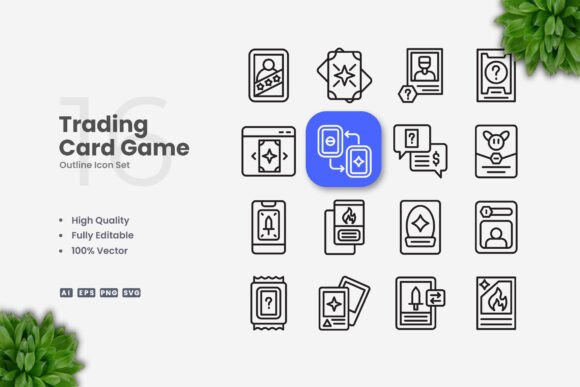
Trading Card Game Icons are more than just visual elements—they are essential tools for creators, marketers, and designers looking to enhance their projects with a touch of nostalgia and modern flair. Whether you're working on a website, mobile app, or social media campaign, these icons offer a unique blend of style and functionality. Their clean, simple design makes them ideal for a wide range of applications, from infographics to print materials.
What makes Trading Card Game Icons stand out is their versatility. With high-quality vector files, they can be resized, recolored, and adjusted without losing clarity. This level of customization ensures that the icons fit seamlessly into any project, regardless of the platform or medium. For professionals and hobbyists alike, this means greater flexibility and fewer limitations when it comes to creative expression.
Common Mistakes When Using Trading Card Game Icons
Despite their appeal, many users make mistakes when selecting and applying Trading Card Game Icons. One common error is choosing icons that don't match the overall aesthetic of the project. For example, using a highly detailed icon in a minimalist design can create visual clutter and distract from the main message.
Another mistake is overlooking the importance of file formats. Not all icons come in the same file types, and some may not be suitable for specific uses. If you're designing for a website, an SVG file might be preferable for scalability, while a PNG with transparency could be better for social media posts. Failing to consider these details can lead to poor results and wasted time.
Why Customization Matters
One of the key features of Trading Card Game Icons is their 100% customizable nature. This means you can adjust stroke weight, color, and size to suit your needs. However, not everyone understands how to take full advantage of this feature. Some users may attempt to edit the icons without the right software, leading to distorted images or loss of quality.
It's important to use vector editing tools like Adobe Illustrator or CorelDRAW to make changes. These programs allow for precise adjustments without compromising the integrity of the design. If you're new to vector editing, taking the time to learn basic tools can save you from frustration down the line.
What to Check Before Using Trading Card Game Icons
Before integrating Trading Card Game Icons into your work, there are several factors to consider. First, verify that the icons are licensed for your intended use. Some icons may be restricted to personal projects only, while others are available for commercial use. Misusing a license can lead to legal issues and damage your reputation.
Additionally, check the file formats provided. The package should include source files like AI, EPS, SVG, and PNG. These ensure compatibility across different platforms and applications. If a set doesn't include all necessary formats, it may limit your ability to use the icons effectively.
Realistic Examples of Better Choices
Let’s say you're creating a mobile app for a trading card game community. Instead of using generic icons, opt for ones that reflect the theme of the game. This not only improves the user experience but also helps in building brand identity. For instance, using a card-based icon for a "Deck Builder" feature can instantly convey its purpose to users.
Another example is when designing a promotional flyer. Rather than using low-resolution images, choose icons that can be scaled up without losing quality. This ensures that the final product looks professional, even when printed at larger sizes.
Understanding the Value of Quality Design
High-quality design isn't just about aesthetics—it's about functionality and user experience. Trading Card Game Icons that are well-designed can improve navigation, enhance visual storytelling, and make complex ideas easier to understand. Poorly designed icons, on the other hand, can confuse users and detract from the overall message.
When evaluating icons, look for clarity, consistency, and relevance. An icon should communicate its purpose quickly and effectively. Avoid overly complicated designs that require extra explanation. Simplicity often leads to better usability and a more polished appearance.
Practical Tips for Choosing the Right Icons
To avoid common pitfalls, start by defining your project's goals and audience. What message do you want to convey? Who will be using the icons? Answering these questions can help you select the most appropriate designs. For example, a children's book may benefit from bold, colorful icons, while a professional presentation might require more subdued, elegant ones.
Take advantage of free resources and templates to experiment before making a purchase. Many platforms offer downloadable samples that let you test how icons look in different contexts. This can help you make informed decisions and avoid costly mistakes.
Final Thoughts on Trading Card Game Icons
Trading Card Game Icons are powerful tools that can elevate your design work in countless ways. By understanding their features, avoiding common mistakes, and making informed choices, you can maximize their potential. Whether you're a beginner or an experienced designer, these icons offer a flexible and reliable solution for a wide range of projects.
Remember, the key to success lies in thoughtful selection, proper customization, and attention to detail. With the right approach, Trading Card Game Icons can become a valuable asset in your creative toolkit.