Book Solid Icons: A Strategic Tool for Clear Communication and Professional Design
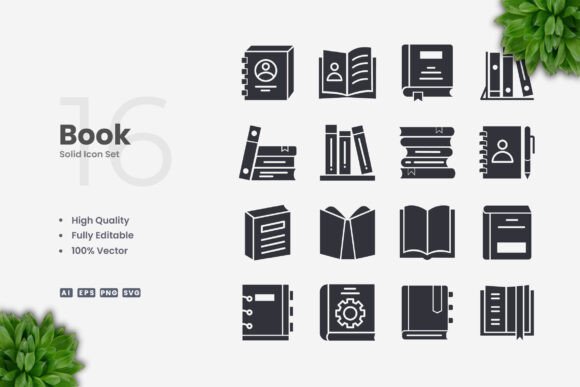
Book Solid Icons offer a powerful solution for professionals and creators looking to enhance visual communication across multiple platforms. These icons are designed with precision, offering a clean and modern aesthetic that aligns with contemporary design trends. Whether you're working on a website, mobile app, or print material, Book Solid Icons provide a versatile foundation for effective visual storytelling.
Why Book Solid Icons Matter in Modern Design
In today’s digital-first world, clarity and consistency are essential for successful communication. Book Solid Icons are crafted to maintain visual integrity at any scale, ensuring they remain recognizable whether used in a small app interface or a large banner. This makes them ideal for designers who need reliable assets that adapt to different contexts without losing quality.
The strategic value of Book Solid Icons lies in their ability to simplify complex ideas through visual representation. By using these icons, designers can convey information more efficiently, reducing cognitive load for users and improving overall user experience. This is especially important in environments where quick decision-making or clear instructions are required.
Strategic Use Cases for Book Solid Icons
Book Solid Icons are not just decorative elements—they serve specific functions in various scenarios. For instance, in educational materials, they can help illustrate concepts, making learning more engaging and accessible. In marketing campaigns, they can reinforce brand messaging by providing a consistent visual language that supports the core message.
For entrepreneurs and small business owners, integrating Book Solid Icons into branding materials can elevate the professional appearance of their work. Whether designing a logo, social media content, or a flyer, these icons add a polished touch that reflects attention to detail and quality.
When to Use Book Solid Icons
Consider using Book Solid Icons when you need to communicate a concept quickly and effectively. They are particularly useful in situations where text alone may not be sufficient. For example, in infographics, they can highlight key points and guide the viewer’s attention without overwhelming them with information.
Additionally, Book Solid Icons are valuable in user interfaces where intuitive navigation is critical. By incorporating these icons, developers and designers can create more user-friendly experiences that reduce confusion and increase engagement.
Planning and Implementation Tips
Before integrating Book Solid Icons into your projects, it’s important to plan strategically. Start by identifying the goals of your design. Are you aiming to improve usability, enhance brand identity, or support a specific message? Understanding your objectives will help you choose the right icons and use them effectively.
Consider the context in which the icons will be used. For example, if you’re designing for a mobile app, ensure that the icons are scalable and legible on smaller screens. If you’re creating print materials, check that the icons maintain their clarity when printed at different sizes.
How to Approach Icon Integration
Begin by selecting a cohesive set of icons that align with your overall design theme. Consistency is key to maintaining a professional look. Avoid mixing too many different styles or icon sets, as this can create visual clutter and confuse the audience.
Once you’ve chosen your icons, test them in real-world scenarios. Preview how they appear in different layouts and under various lighting conditions. This helps ensure that they perform well in all intended environments.
Key Features of Book Solid Icons
Book Solid Icons come with a range of features that make them highly adaptable. The collection includes 100 vector files, allowing for easy resizing and customization. This flexibility is especially beneficial for designers who need to adjust icons for different platforms or formats.
The availability of source files in Adobe Illustrator (AI) and EPS format ensures compatibility with most design software. Additionally, SVG and PNG files provide options for web and graphic use, making it simple to integrate these icons into various projects.
Customization and Editability
One of the standout features of Book Solid Icons is their customizability. Users can easily change colors, adjust shapes, or modify details using vector editing software like Adobe Illustrator or CorelDRAW. This level of control allows designers to tailor the icons to fit specific brand guidelines or project requirements.
For those who prefer a more streamlined approach, the included PNG transparency files offer a quick way to incorporate icons into designs without the need for complex editing. This makes Book Solid Icons accessible to both experienced designers and those with limited technical skills.
Understanding the Risks of Misuse
While Book Solid Icons are powerful tools, they can also be misused if not applied thoughtfully. Randomly inserting icons without considering their purpose or context can lead to confusion and weaken the overall message. It’s important to use them intentionally, ensuring they serve a clear function within the design.
Without a clear strategy, icons may become visually distracting rather than helpful. This is especially true in crowded layouts where too many icons compete for attention. To avoid this, focus on selecting only the most relevant icons and place them in a way that enhances readability and flow.
Best Practices for Intentional Use
To use Book Solid Icons effectively, start by defining their role in the design. Ask yourself: What message do these icons need to convey? How will they support the user’s journey? Answering these questions can help guide your selection and placement.
Another best practice is to maintain visual hierarchy. Icons should complement other design elements rather than overshadow them. Use size, color, and spacing to create balance and ensure that the icons contribute to the overall aesthetic without disrupting it.
Long-Term Value and Strategic Benefits
Investing in high-quality icons like Book Solid Icons can yield long-term benefits for your projects. Their versatility and adaptability mean they can be reused across different platforms and campaigns, saving time and resources in the long run.
Moreover, using consistent and well-designed icons can strengthen brand recognition. When audiences encounter familiar visual elements, it reinforces their connection to the brand and builds trust over time.
Supporting Business and Creative Goals
For businesses, Book Solid Icons can play a crucial role in enhancing customer experience. Clear and intuitive icons can guide users through processes, reduce errors, and improve satisfaction. This is particularly valuable in e-commerce, where a smooth user experience can directly impact conversion rates.
Creators and educators can also benefit from Book Solid Icons by using them to simplify complex topics. Whether teaching a new concept or presenting data, icons can help break down barriers and make information more digestible for a wider audience.
Conclusion: Making the Most of Book Solid Icons
Book Solid Icons are more than just visual elements—they are strategic tools that can enhance communication, improve user experience, and support long-term goals. By understanding their purpose, planning their use, and applying them thoughtfully, designers and professionals can unlock their full potential.
Whether you’re working on a website, app, or print material, Book Solid Icons offer a reliable and flexible solution for achieving clarity and consistency in your designs. With the right approach, these icons can become an essential part of your creative toolkit, helping you deliver better results and stronger outcomes.